IV vs. Sublingual Ketamine: Understanding the Differences
A comparative look at intravenous and sublingual ketamine — pharmacology, benefits, side effects, and how to choose the right route for your needs.

Choosing the Right Route
When it comes to ketamine therapy for depression, anxiety, or PTSD, one of the first decisions is how the medication is delivered. Intravenous (IV) and sublingual ketamine are two of the most effective and widely used routes, each with distinct advantages.
This guide breaks down the pharmacology, benefits, and trade-offs so you can make an informed choice with your provider.
How Each Route Works
Both IV and sublingual ketamine work through the same mechanism — blocking NMDA receptors and activating AMPA receptors to stimulate neuroplasticity and synaptic repair. The difference lies in how the medication enters your bloodstream.
IV Ketamine
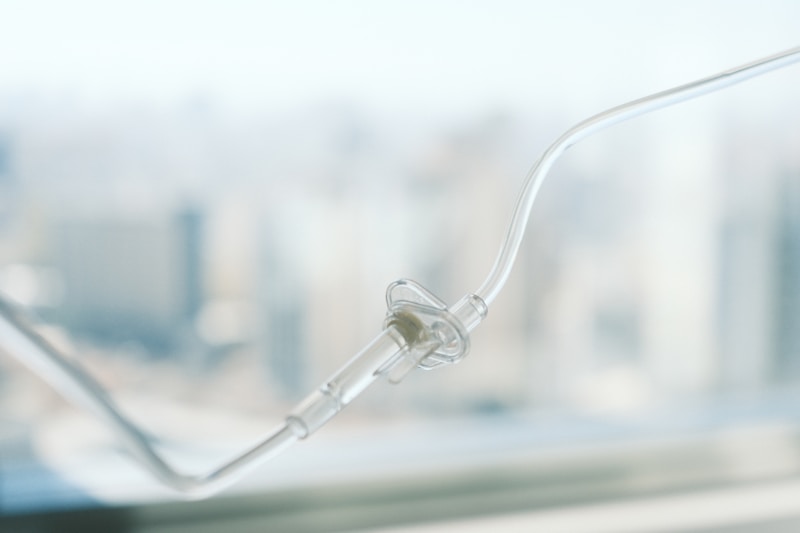
IV ketamine delivers full bioavailability and precise dosing, making it the most controlled and rapid-acting option — particularly valuable for severe or acute depressive episodes.
Sublingual Ketamine
Sublingual ketamine offers a slower, gentler rise in blood levels and a longer-lasting effect, making it well-suited for at-home or maintenance therapy under medical guidance.
Can Sublingual Achieve the Same Depth?
Yes. While sublingual bioavailability is lower, patients can still experience meaningful dissociation and therapeutic depth when properly dosed. Achieving similar intensity typically requires approximately 2–3 times the IV-equivalent dose.
In structured programs, dosing is carefully titrated to each patient's tolerance and therapeutic goals — ensuring safety while maximizing antidepressant benefit.
Comparing Benefits
IV Ketamine
- Rapid relief — reduces depressive symptoms within hours; especially useful in crisis situations
- Clinical oversight — continuous monitoring of vitals
- Adjustable dosing — real-time titration during the session
- Same-day availability — no wait for compounding pharmacy
Sublingual Ketamine
- Convenience — taken at home, reducing clinic visits
- Sustained benefit — effects can last longer than IV sessions
- Comfort — non-invasive and needle-free
- Affordability — typically more cost-effective than in-clinic infusions
- Autonomy — self-administered under structured medical oversight
Side Effects
Because both routes share the same mechanism of action, their side effects overlap — though intensity and timing differ.
Common to both:
- Mild dissociation or dreamlike sensation
- Nausea or dizziness
- Short-term elevation in blood pressure or heart rate
- Fatigue or sedation after the session
IV-specific: Dissociation and perceptual changes can be stronger and appear quickly. Requires in-clinic monitoring.
Sublingual-specific: Dissociation is typically more gradual. Some patients experience mild oral numbness or bitter taste. Can be managed at home.
How to Choose
The best route depends on several factors:
- Urgency — Crisis situations may favor IV for speed
- Setting preference — In-clinic vs. at-home treatment
- Cost — Sublingual is generally more affordable
- Previous response — Some patients respond better to one route
- Lifestyle — At-home treatment offers more flexibility
At Discreet Ketamine, we specialize in sublingual ketamine delivered through telemedicine, with treatment plans personalized to your medical profile, comfort level, and long-term goals. For a full overview of every delivery method, see our guide to all the ways ketamine can be given.
ODT vs. troche — which form is right for you?
See the full breakdown: ketamine ODT tablets vs. troches — absorption rates, onset time, and which most patients prefer.
R-ketamine vs. S-ketamine — does it matter which you get?
Compare the two enantiomers — efficacy, side effects, and which at-home programs use.
How did ketamine go from battlefield anesthetic to antidepressant?
The history and science of ketamine.
See If You Qualify for At-Home Ketamine
Takes 5 minutes. No commitment required.
Check My Eligibility →Stay Informed
Get the latest research and insights on ketamine therapy delivered to your inbox.
See If You Qualify for At-Home Ketamine
Takes 5 minutes. No commitment required.
Check My Eligibility →Disclaimer: Compounded ketamine for anxiety, depression, PTSD, and chronic pain is not FDA approved. The information provided is for educational purposes only and should not be considered medical advice. Individual results may vary. Always consult with a qualified healthcare provider before starting any treatment.
Ready to Start Feeling Better?
At-home ketamine therapy from $250/month. Board-certified physician, medication delivered to your door in Florida & New Jersey.
Available in Florida (all 67 counties) and New Jersey (all 21 counties)
Related Articles
Moral Injury vs. PTSD: Can Ketamine Heal Both?
Moral injury and PTSD share overlapping symptoms but arise from fundamentally different wounds. Emerging evidence suggests ketamine's neuroplasticity effects may offer a unique pathway to healing both conditions — especially when traditional treatments fall short.

Long-Term Ketamine Maintenance: How Often Do You Actually Need Boosters?
After your initial ketamine series, how long does the relief last — and when do you need booster sessions? Here's the data-driven guide to maintenance dosing, signs you need a top-up, and how to think about long-term care.
When Ketamine Doesn't Work: Setting Realistic Expectations
About 30-40% of patients don't respond adequately to a standard ketamine series. Being honest about this isn't pessimism — it's respect for your intelligence. Here's why it happens and what to do next.