
Ketamine ODT vs Troche: Which Format Should You Use? (2026)
Introduction
When it comes to sublingual ketamine, two formulations have become the standard: rapidly dissolving tablets (RDTs, sometimes called orally disintegrating tablets or ODTs) and troches (lozenges). Both bypass gastrointestinal metabolism. They get there in very different ways, and the difference matters for your treatment experience.
New to at-home ketamine entirely? Start with our at-home ketamine therapy guide, what it is, who qualifies, how a session unfolds, then come back here for the format question.
Rapidly Dissolving Tablets (RDTs/ODTs)
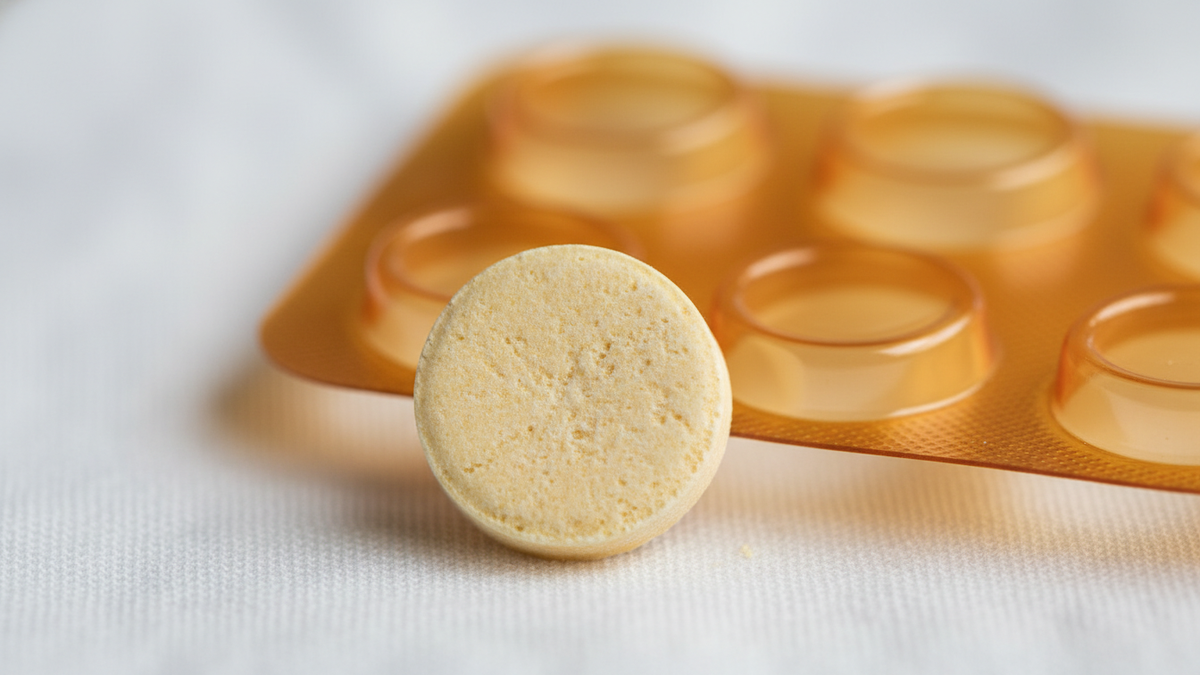
RDTs are designed to disintegrate in the mouth within seconds, without water. The drug then either absorbs through the oral mucosa or, with the saliva that accumulates, gets swallowed and absorbed in the intestine.
The advantages are practical. Absorption is quick, which is helpful for medications that benefit from a fast onset. Patient compliance is easier because there are no large pills to swallow with water; the format works well for anyone who struggles with conventional oral formulations. And for drugs that are poorly absorbed in the GI tract, like ketamine, RDTs help bypass first-pass metabolism, which improves overall bioavailability.
The drawbacks are more subtle. The rapid disintegration gives less control over absorption timing, which is not ideal for drugs that benefit from a slower, controlled release. Patients tend to accumulate saliva before swallowing, which reduces the drug's contact time with the oral mucosa and diminishes the sublingual absorption you were hoping for. And the manufacturing time is longer; compounding pharmacies have to bake the tablets, which can delay patient access.
Troches (Lozenges)
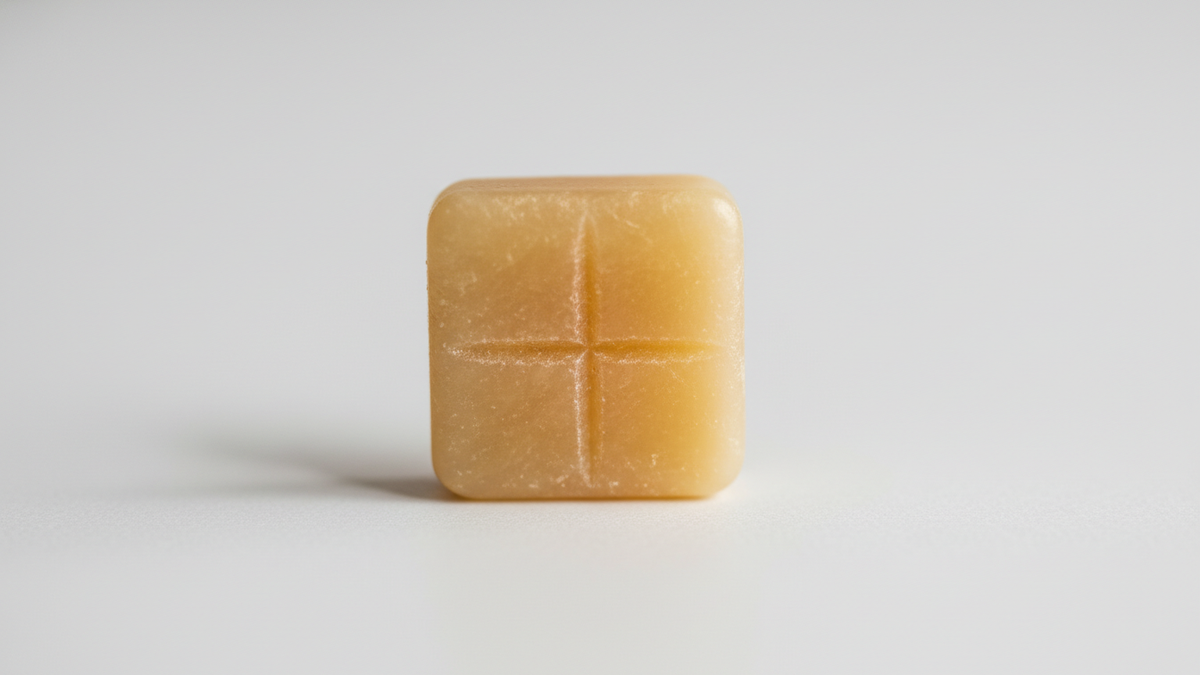
A troche is a solid dosage form meant to be held in the mouth and dissolve slowly. The texture is more like a candy or waxy lozenge than a tablet, and the dissolution time is intentional.
The advantages are different from RDTs. The slower release avoids rapid spikes in plasma concentration, which produces a smoother experience during ketamine sessions. The prolonged contact with the oral mucosa improves sublingual absorption. Like RDTs, troches bypass first-pass GI metabolism, achieving higher bioavailability than simply swallowing a pill. And compounding pharmacies can produce troches faster than RDTs, which means quicker access to your medication. Troches are also easier to divide: you can cut one into halves or quarters with a clean knife for fine dose adjustments, which is harder to do accurately with an RDT that starts disintegrating the moment it gets wet.
The drawbacks: onset is slower because of the gradual dissolution. Patients have to hold the troche in their mouth for ten to fifteen minutes while it dissolves, which some find inconvenient. The taste and waxy texture aren't to everyone's liking. And many troche formulations require refrigeration and ship on ice to protect the product's integrity. They are also heat-sensitive: the waxy base can soften or melt if left in a hot car, a warm mailbox, or on a sunny windowsill, and patients sometimes lose part of a supply that way. Keep them refrigerated and out of direct sun.
How They Compare
| Factor | RDTs/ODTs | Troches |
|---|---|---|
| Dissolution time | Seconds | 10-15 minutes |
| Onset of effects | Faster | Slower, more gradual |
| Duration of session | Tends to be shorter | Tends to be longer, smoother |
| Sublingual absorption | Good, but saliva dilution can reduce contact | Excellent (prolonged mucosal contact) |
| Bioavailability | 25-32% (varies by pharmacy + technique) | 25-32% (varies by pharmacy + technique) |
| Patient preference | Easier to take; preferred by some | Smoother experience; preferred by others |
| Manufacturing | Longer production time | Faster to compound |
| Dose splitting | Hard to divide accurately once wet | Easy to cut into halves or quarters |
| Storage | Room temperature, stable | Often refrigerated; heat-sensitive (can soften/melt) |
The Compounding Pharmacy Factor
Both formats are produced by compounding pharmacies, not large pharmaceutical manufacturers. That means the specific formulation can vary significantly between pharmacies. The binding agents, flavorings, and base materials (PEG, waxy bases, and the rest) vary by pharmacy and directly affect dissolution rate, taste, stability, and the drug release profile. Potency and uniformity also vary; while pharmacies follow regulatory standards, manual and semi-automated compounding can produce batch-to-batch variability. Many patients report that RDTs feel "more potent" than troches, but that often reflects a specific pharmacy's formulation rather than an inherent superiority of one dosage form over the other.
The practical takeaway is that your experience with a troche from one pharmacy may be quite different from a troche from another. If you're not getting good results, it's worth discussing whether a different formulation or pharmacy might help, before concluding that the medication itself isn't working.
Which One Is Right for You?
The choice depends on what you're optimizing for. RDTs are generally a better fit if you want faster onset and easier administration, or if you have trouble holding medication in your mouth for long stretches. Troches tend to produce a smoother, more gradual experience, and patients who are sensitive to rapid changes in consciousness often find them more manageable.
Your prescribing physician will recommend a formulation based on your dose, your treatment goals, and what's available from your compounding pharmacy. Most patients try one and stick with it, but switching is always an option if the experience isn't right. For a related comparison, see our post on R-ketamine vs. S-ketamine. For step-by-step prep on the night-of, see how to take ketamine at home for fasting, timing, environment, and the after-care window.
Managing Side Effects
Regardless of which formulation you use, some patients experience nausea during ketamine sessions. Simple adjustments around meal timing and the strategic use of anti-nausea medication can make a significant difference. If you're new to at-home ketamine therapy, our guide on what to expect during your first session covers practical tips that apply to both RDTs and troches.
Patients comparing at-home sublingual ketamine with clinic-based options may also find our breakdown of at-home ketamine vs. infusion clinics useful. If you're still choosing between providers, our review of the best at-home ketamine programs in 2026 compares Mindbloom, Joyous, Innerwell, Better U, and Discreet Ketamine on cost, clinical model, and physician involvement.
Frequently Asked Questions
What is a ketamine troche?
A ketamine troche is a solid lozenge-style dosage form designed to be held in the mouth and dissolve slowly over 10-15 minutes. The medication absorbs through the sublingual blood vessels under and around the tongue, bypassing the gastrointestinal tract and first-pass liver metabolism (via CYP3A4 and CYP2B6) that destroys ~70-83% of swallowed ketamine. Troches are produced by licensed U.S. compounding pharmacies, not large pharmaceutical manufacturers.
How long should I hold a ketamine troche in my mouth?
At least 10-15 minutes, ideally without swallowing the saliva. The longer the troche stays in contact with the sublingual mucosa, the more drug absorbs through the oral blood vessels. If you swallow the saliva early, you lose most of the dose to first-pass liver metabolism, which can mean a session that "doesn't feel like anything" even though you took the right amount.
Are ketamine troches stronger than RDTs?
No. Both formulations achieve roughly 25-32% bioavailability when used correctly (the published sublingual range). Patients sometimes report that RDTs "feel more potent," but that usually reflects a specific compounding pharmacy's formulation rather than an inherent difference between the two formats. The choice between troche and RDT is about session experience (smoother vs. faster onset), not raw potency.
How much do ketamine troches cost?
At a U.S. compounding pharmacy, ketamine troches typically cost $75-$150 per month at therapeutic doses, billed separately by the pharmacy. The clinical care from your prescribing program is usually a separate flat monthly or quarterly fee. At Discreet Ketamine, the clinical care starts at $250/month; the compounded medication is billed separately by the pharmacy.
Do ketamine troches need to be refrigerated?
Most do, yes. Many compounding pharmacies ship troches on ice and recommend refrigerated storage to protect the formulation's stability. They are also heat-sensitive: the waxy base can soften or melt if left in a hot car, a warm mailbox, or direct sun, so keep them cool or you may lose part of your supply. RDTs are generally stable at room temperature. Ask your pharmacy for specific storage instructions for the formulation they make.
Can you split a ketamine troche into smaller doses?
Yes, and it is one of the practical advantages of troches over RDTs. A troche cuts cleanly, so you can divide one into halves or quarters with a clean knife to fine-tune your dose, which is useful when your prescriber is titrating you up or down. RDTs are much harder to split accurately because they begin to disintegrate as soon as they touch moisture. Only change your dose on your prescriber's instruction, not on your own.
Can you swallow a ketamine troche?
You can, but you shouldn't. Swallowing the medication drops bioavailability from 25-32% (sublingual) to 16-29% (swallowed-oral, most studies cluster around 17%) because the swallowed dose loses ~70-83% to first-pass liver metabolism through CYP3A4 and CYP2B6. The whole point of the sublingual format is to bypass that. If you find the texture or taste unmanageable, talk to your prescriber about switching to an RDT or asking a different pharmacy for a different formulation.
Which is better for the first ketamine session, an RDT or a troche?
There's no universal answer, but troches are often gentler for first-time patients because the slower release produces a smoother onset and avoids rapid changes in consciousness. RDTs can feel more abrupt. Your prescribing physician should match the formulation to your dose, your goals, and what your pharmacy makes well.
References
-
Peltoniemi MA, Hagelberg NM, Olkkola KT, Saari TI. Ketamine: A Review of Clinical Pharmacokinetics and Pharmacodynamics in Anesthesia and Pain Therapy. Clin Pharmacokinet. 2016;55(9):1059-1077. PubMed: 27028535 Standard pharmacokinetics review across routes of administration. Source for the sublingual 25-32% bioavailability range and the first-pass metabolism mechanism via CYP3A4 and CYP2B6.
-
Dutton M, Can AT, Lagopoulos J, Hermens DF. Oral ketamine may offer a solution to the ketamine conundrum. Psychopharmacology (Berl). 2023;240(12):2483-2497. PubMed: 37882811 Recent review establishing the swallowed-oral bioavailability range (16-29%, commonly ~17%) versus sublingual, and the role of the active metabolite norketamine in compensating for lower parent-drug bioavailability.
Ready to Start Treatment?
At Discreet Ketamine, I work with trusted compounding pharmacies to match the right formulation to each patient. Whether you end up on an RDT or a troche, the goal is personalized dosing with proper medical oversight.
Discreet Ketamine provides at-home ketamine therapy to residents of Florida and New Jersey. All treatments are supervised by Dr. Ben Soffer, a board-certified physician.
Ready to feel better?
Discreet Ketamine provides at-home ketamine therapy for residents of Florida and New Jersey. Take our 60-second eligibility assessment to see if treatment is right for you.
Check Eligibility